
Custom Sheet Metal Bending Services
Custom metal bending services for high-quality prototypes and production bends. Free sheet metal quote with DFM review within 1 day. Lead time as fast as 3-5 days.
What is Metal Bending?
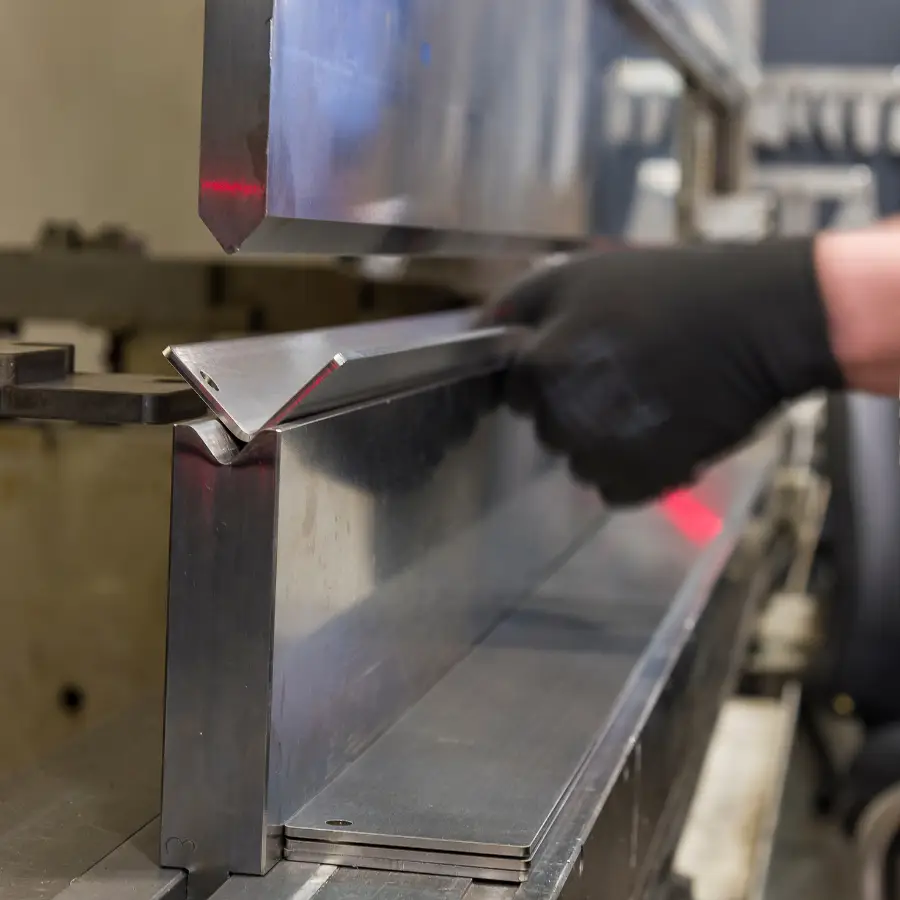
Metal bending is a fabrication process that involves deforming metal into a specific angle or shape using mechanical force. This process is essential in manufacturing components with precise angles and curves, making it indispensable for creating durable and functional parts across various industries.
At Bilichitech, our sheet metal bending services meet the diverse needs of our clients, whether for simple or intricate designs. Our machinery includes advanced electric and hydraulic press brakes that ensure precision bending, even for parts with tight tolerances. Instantly accessible quotes are available through our user-friendly platform, where you can upload your 3D CAD files to receive an immediate estimation. This streamlined process saves you time and simplifies your journey from design to production efficiently.
Our capabilities go beyond just bending; we offer extensive post-processing options, ensuring that the parts you receive are not only perfectly bent but also ready for immediate application in either prototypes or final products.
How does Metal Bending Work?
The bending process is a fundamental method in metal fabrication that involves deforming metal into a desired shape by applying force, typically through a press brake or similar machine. This process allows for the precise forming of metal along a straight line to create V, U, or channel shapes in sheet metal. The metal bending process can vary from manual methods to advanced CNC (Computer Numerical Control) systems, which offer enhanced precision and repeatability.
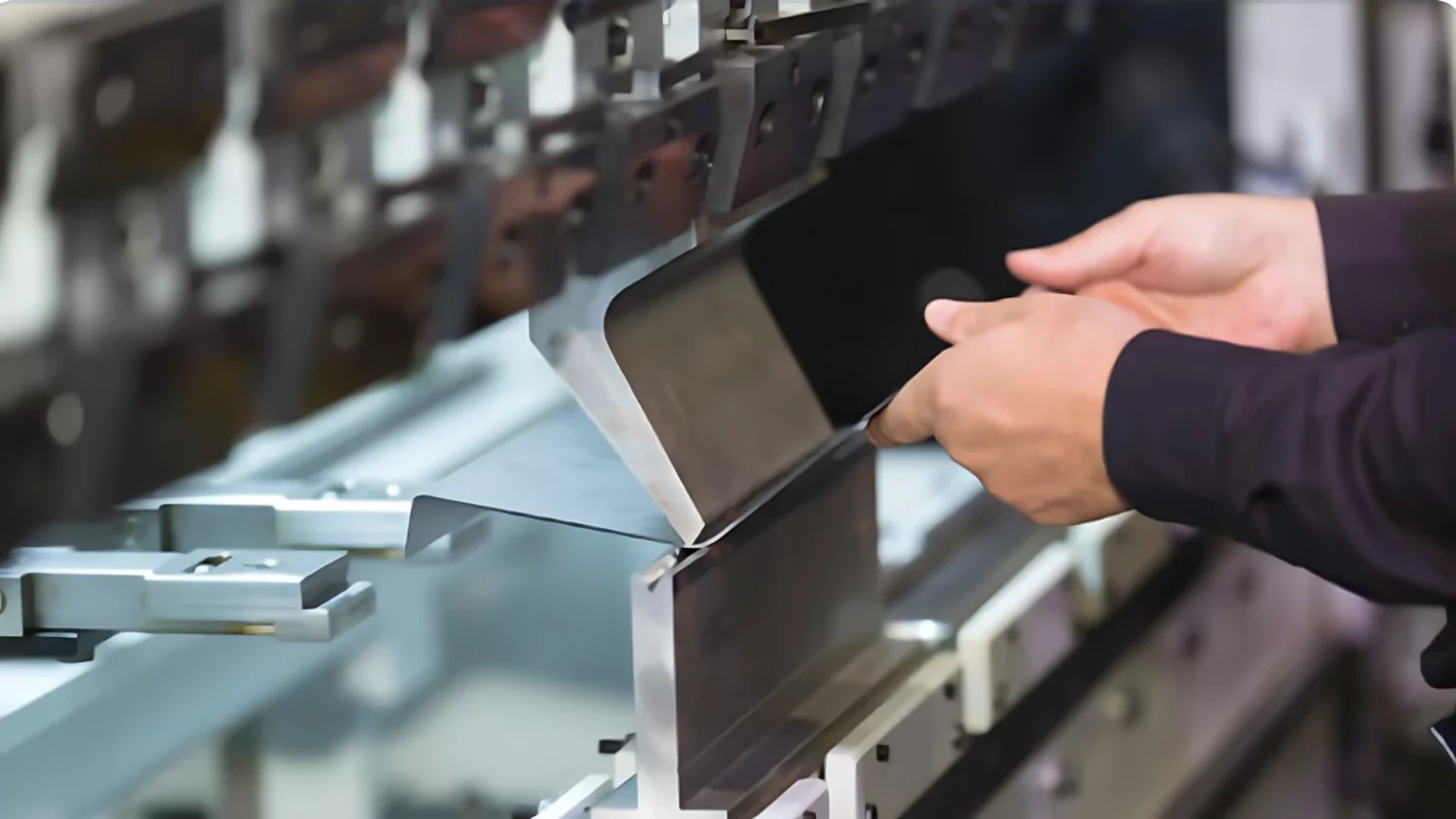
During the metal bending process, a piece of sheet metal is placed between a punch and a die set. The punch forces the metal into the die cavity, bending it to conform to the die’s shape. Key parameters in this process include the bend angle, radius, and the bending force applied, which can be adjusted to manipulate the metal’s final form without altering its thickness significantly. Material properties such as ductility and thickness also play a critical role in determining the ideal bending conditions.
This metal bending fabrication technique is widely used due to its ability to produce strong, functional parts efficiently. Applications range from creating small components like brackets to large architectural features. With advancements in CNC technology, complex and highly accurate bending tasks are now more achievable than ever, allowing for greater design flexibility and faster production cycles. Additionally, CNC systems offer the capability to handle mass production with minimal variation, ensuring consistent quality across large batches.
Metal Bending Surface Finish
At Bilichitech, our surface finishes enhance the durability and appearance of bent metal components, meeting the high standards required by diverse industries.
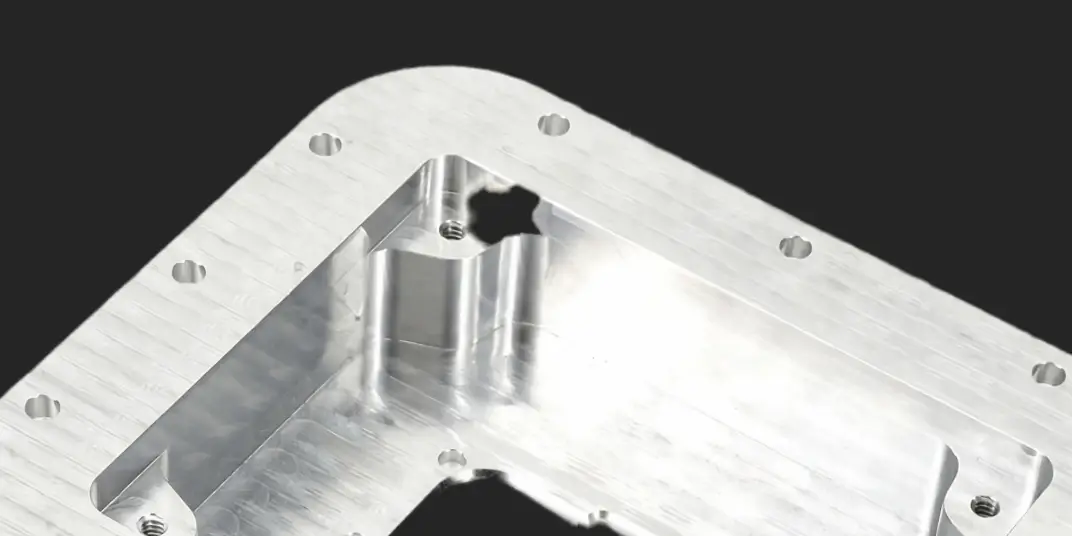
As Machined
As machined finish leaves the surface straight from the CNC machine, providing a cost-effective option with tool marks.
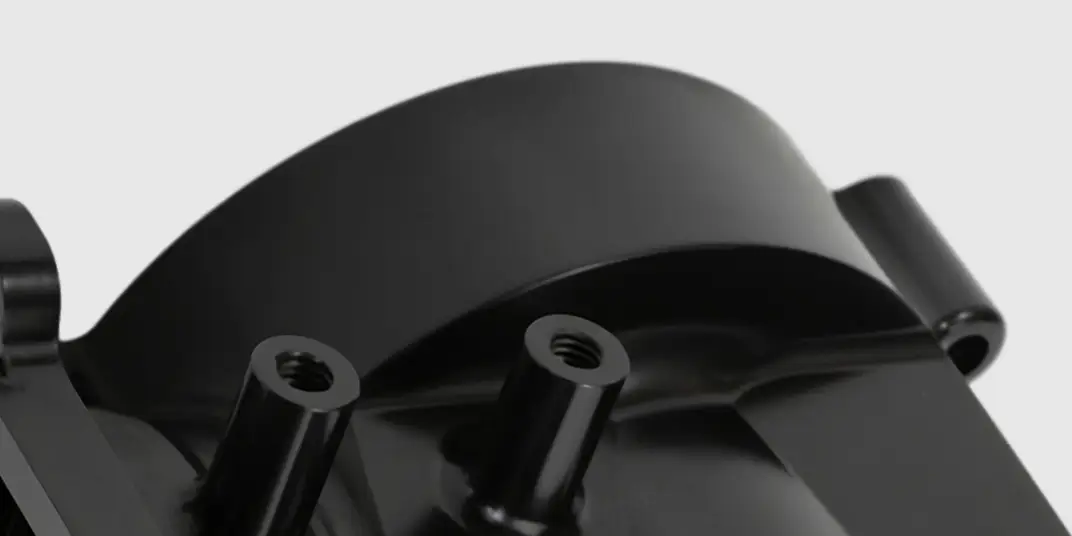
Anodizing
Anodizing increases corrosion resistance and wear properties, while allowing for color dyeing, ideal for aluminum parts.
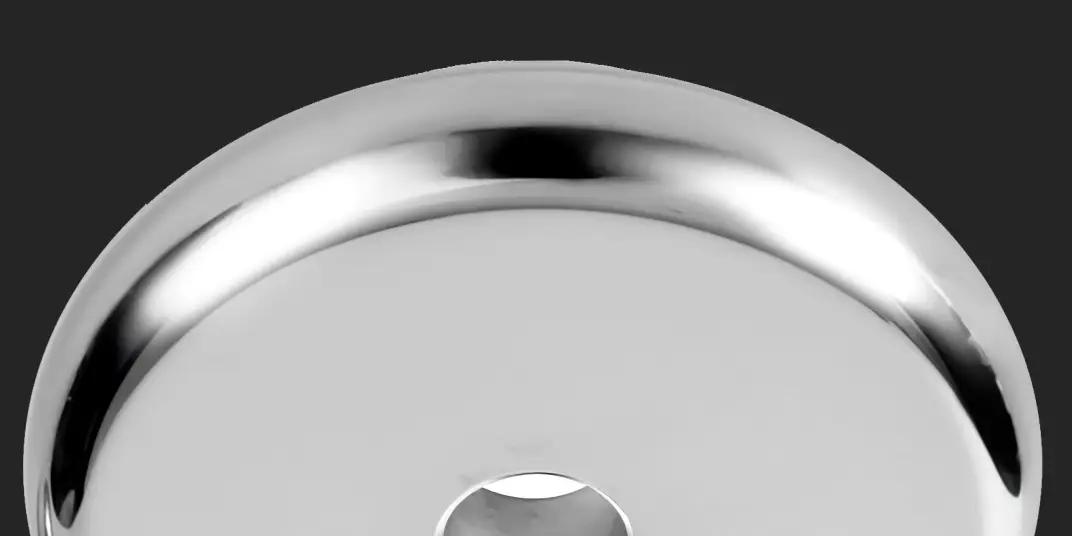
Polishing
Polishing achieves a high gloss finish, reducing surface roughness and enhancing the aesthetic appeal of metals.
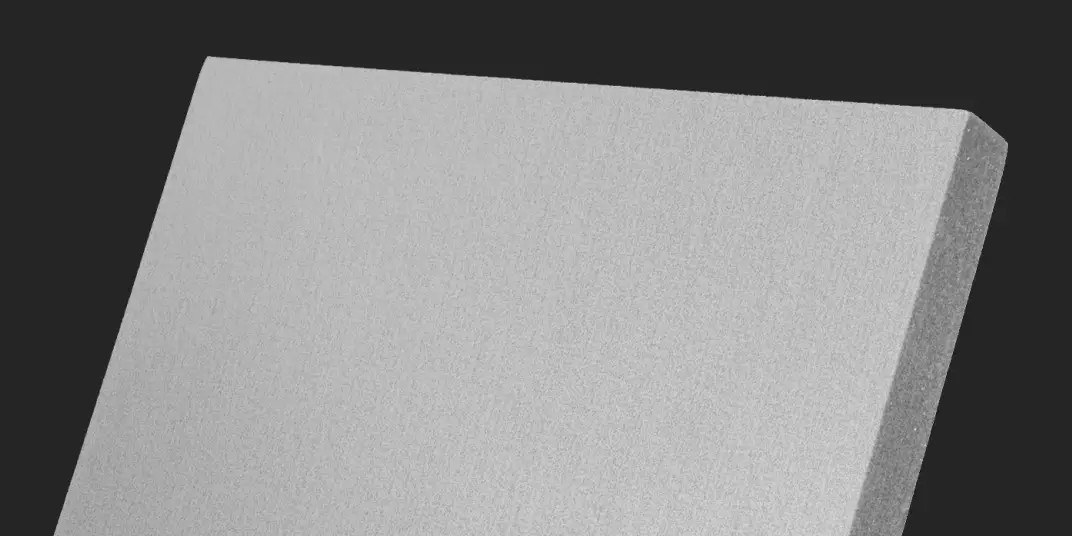
Sand Blasting
Sand blasting uses pressurized sand or other media to clean and texture the surface, creating a uniform, matte finish.
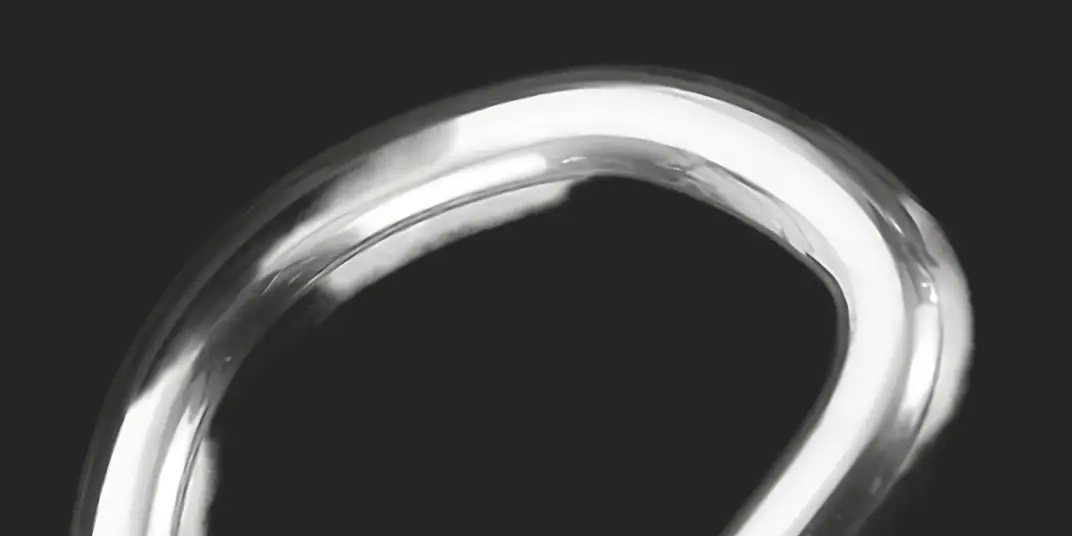
Tumbling
Tumbling smooths and polishes small parts by friction and abrasion in a barrel, offering a consistent but slightly textured finish.
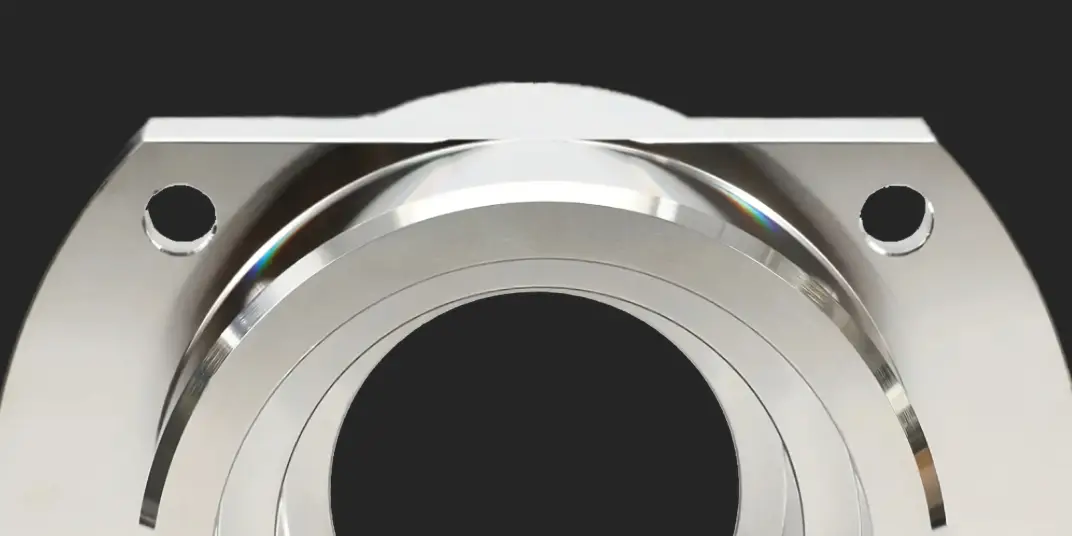
Electropolish
Electropolish is a chemical process that smooths and brightens surfaces while improving corrosion resistance.
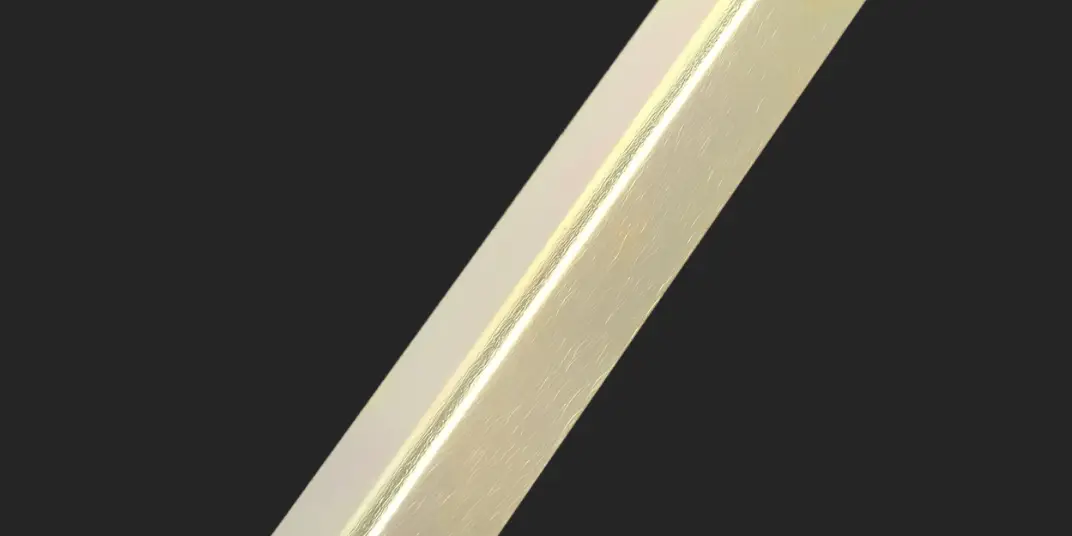
Alodine
Alodine coating provides corrosion protection and improves paint adhesion, mainly used on aluminum surfaces.
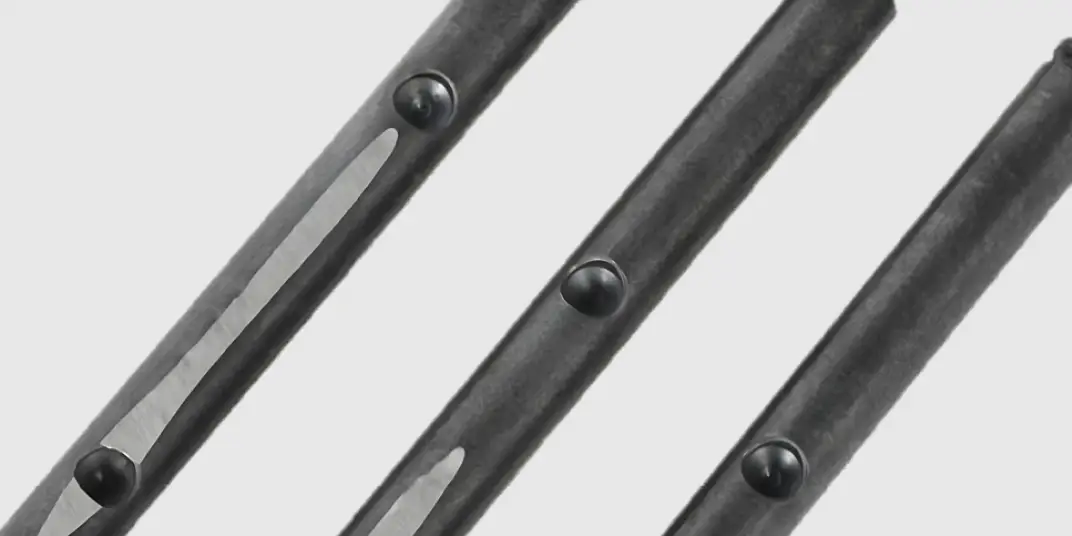
Heat Treatment
Heat treatment alters the mechanical properties of metal to increase its hardness, strength, or ductility.
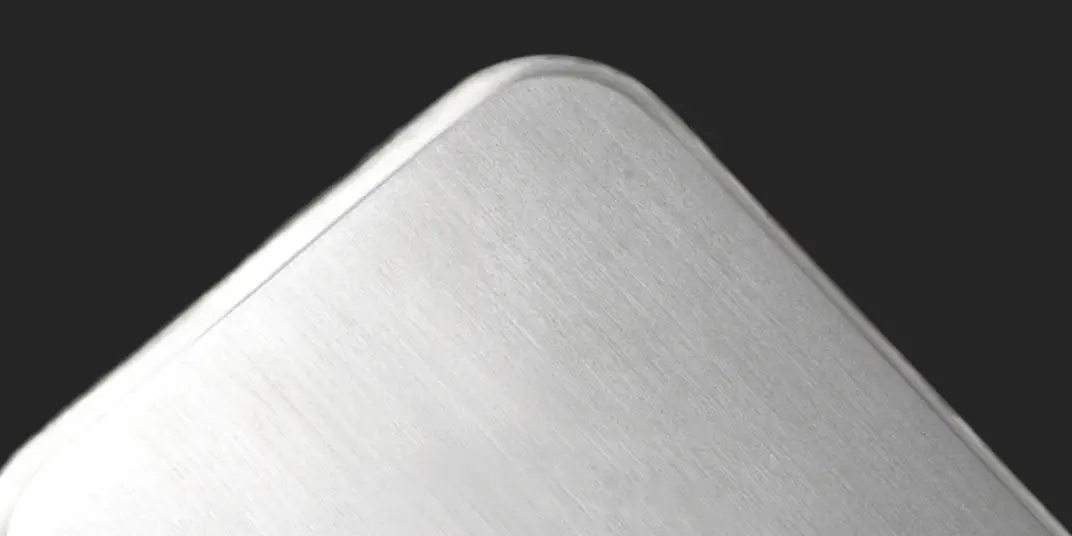
Brushed Finish
A brushed finish creates a unidirectional satin texture, reducing the visibility of marks and scratches on the surface.
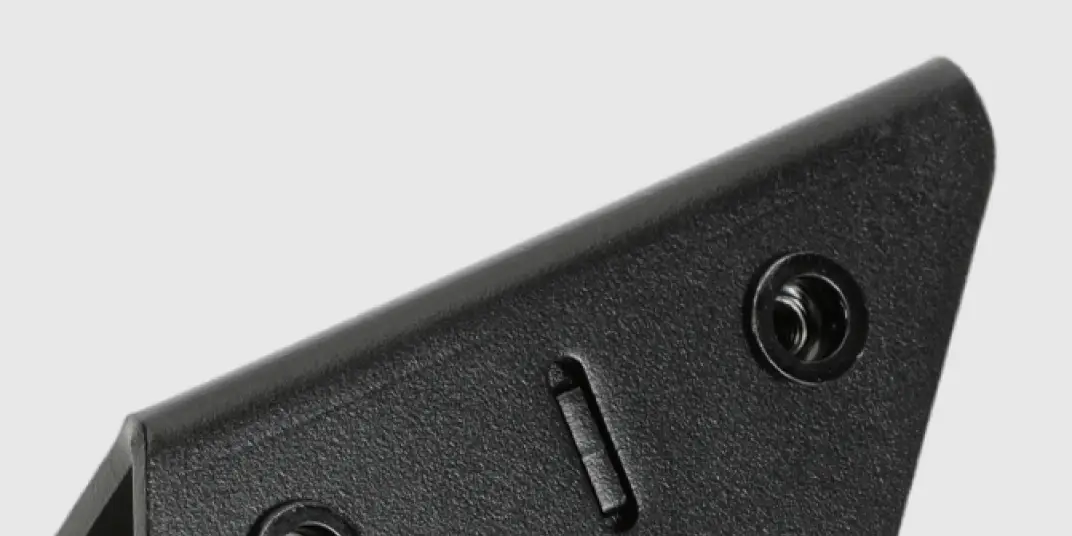
Powder Coating
Powder coating applies a thick, wear-resistant layer with excellent color and texture options, suitable for a variety of surfaces.
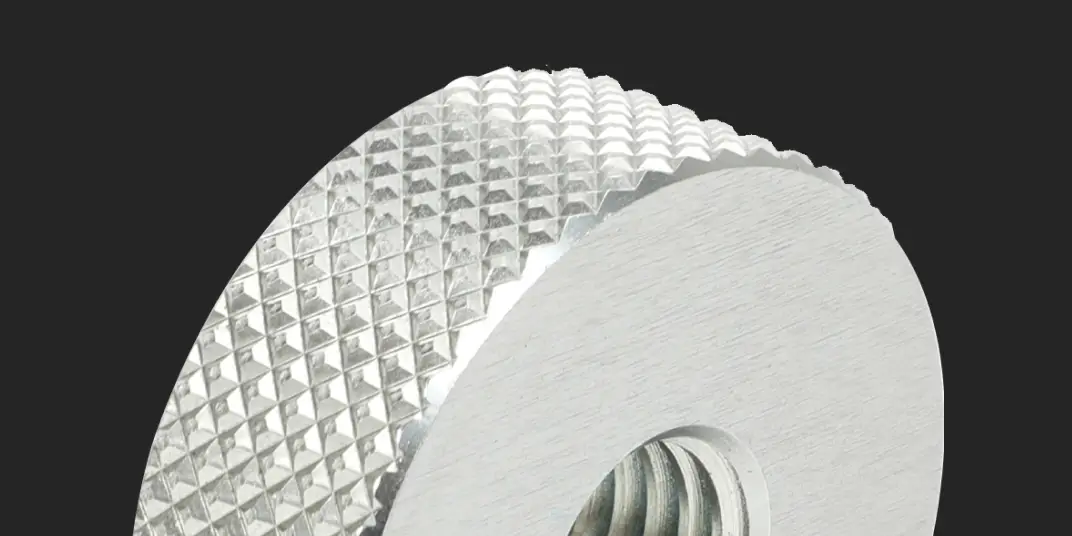
Electroplating
Electroplating bonds a thin metal layer onto parts, improving wear resistance, corrosion resistance, and surface conductivity.
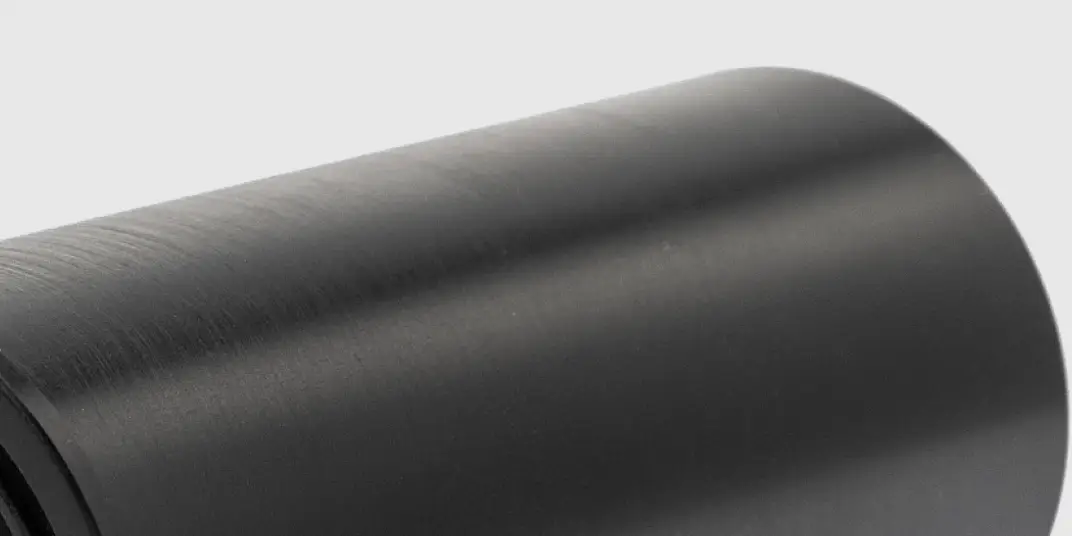
Black Oxidize
Black oxidize is a conversion coating for ferrous metals that improves corrosion resistance and minimizes light reflection.
Bilichitech Metal Bending Workshop
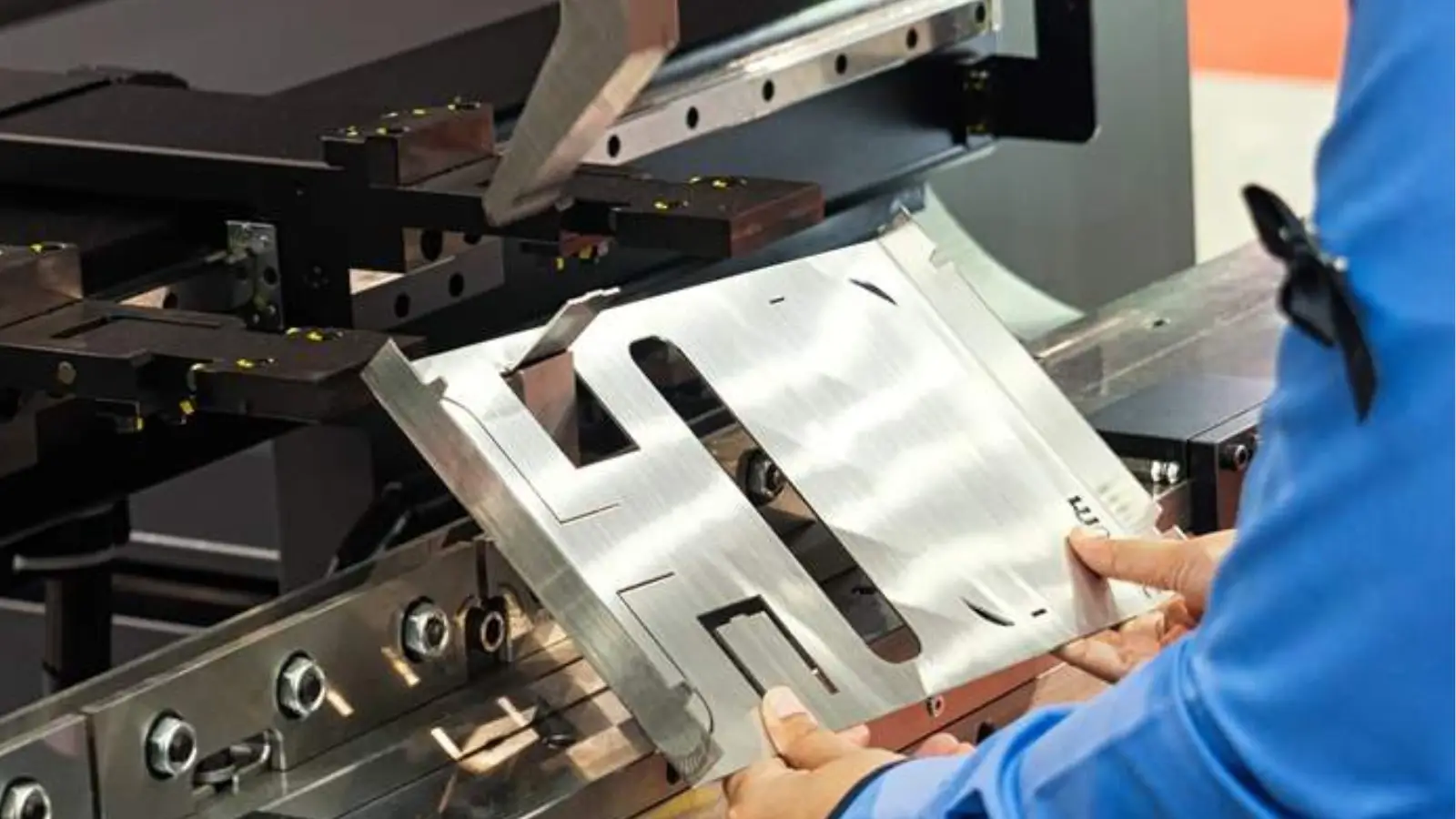
Metal bending transforms flat sheets into 3D shapes through precision force application, using advanced machinery to enforce bends at designated angles. Before bending, the flat sheet must be prepared using cutting methods like laser cutting, which ensures high precision. At Bilichitech, our process leverages high-tonnage equipment, capable of exerting up to 200 tons, to handle materials with a length of up to 3200mm. Each bend is executed with an exact mold ranging from R3 to R50, ensuring accuracy with a machining tolerance of ± 0.1mm. This precision sheet metal bending process is suitable for various applications, from machinery components to custom furniture. Additionally, our custom metal bending services enable us to offer tailored solutions with high precision and consistency.
To truly appreciate the sophistication of our operations, we invite you to watch a video tour of our facility
Advantages of Bending Manufacturing
Metal bending manufacturing is integral across multiple sectors due to its distinct advantages:
- Cost Efficiency: Metal bending reduces the need for multiple parts and welds, minimizing labor and material costs. By simplifying designs into single, continuous pieces, it helps reduce assembly time and overall project expenses.
- Enhanced Strength: Bending metal increases its strength along the bend, making the finished parts more durable and capable of withstanding greater loads. This intrinsic reinforcement allows for lighter and thinner constructions without compromising structural integrity.
- Precision and Flexibility: Advanced CNC bending technology provides high precision and repeatability, ensuring each part meets exact specifications. The versatility in bending various metals like aluminum, steel, and copper allows for broad application across different projects, from industrial machinery to custom automotive components.
- Aesthetic Improvement: Metal bending techniques can produce clean, attractive lines and curves that enhance the aesthetic appeal of parts. This is particularly beneficial in visible components, such as fixtures and furniture, where appearance is as crucial as functionality.
- Rapid Production: The speed of CNC bending processes significantly shortens production cycles, enabling faster turnaround times from design to completion. This rapid production capability is ideal for industries requiring quick responses to market demands
Applications of Bent Metal Parts
Bent metal parts serve a multitude of purposes, transforming sheets into durable, functional components with a wide range of applications.
- Enclosures and Casings: Custom bent enclosures house everything from electronics to industrial machinery, offering protection and support while maintaining accessibility and aesthetics.
- Brackets and Mounts:Precision bending creates sturdy brackets and mounts used in mounting systems, which are essential for securing components in both commercial and residential settings.
- Panels and Doors:From aesthetic architectural panels to functional doors and barriers, bending metal provides the necessary customization to fit specific dimensions and designs.
- Frames and Beams: Structural frames and beams benefit from the rigidity and strength that metal bending imparts, essential for supporting structures in construction and automotive frameworks.
- Complex Geometries: Advanced CNC bending technology allows for the creation of components with complex geometries, which are crucial for modern designs and applications requiring high precision and unique shapes.