
Custom Aluminum Extrusion Services
Custom high-performance aluminum extrusions. Precision to ± 0.1mm. 7-day delivery.
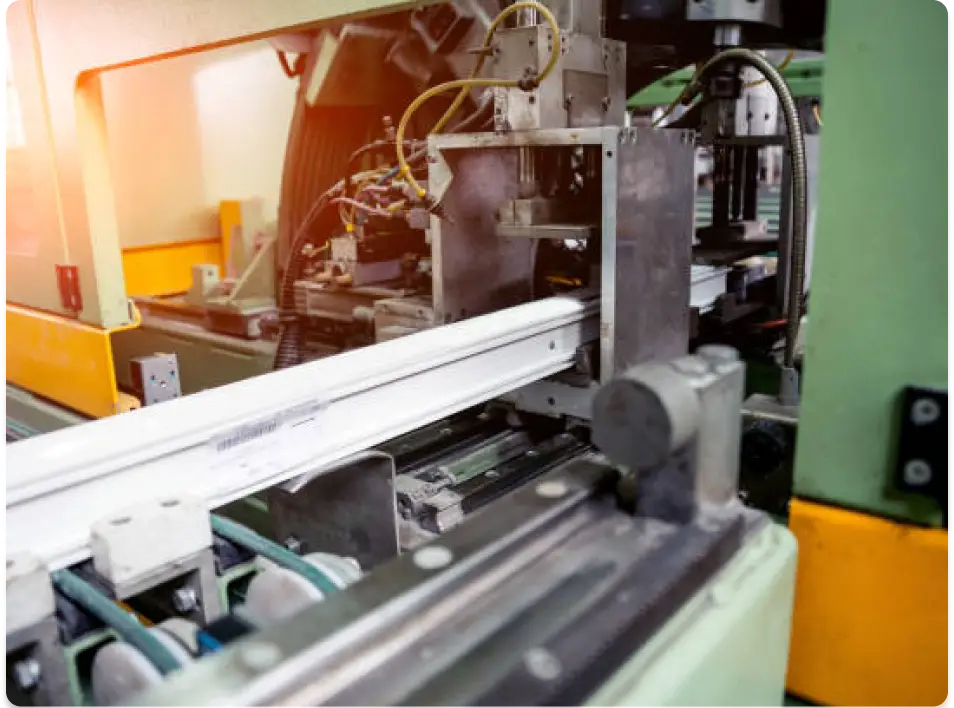
Bilichitech Aluminum Extrusion Services
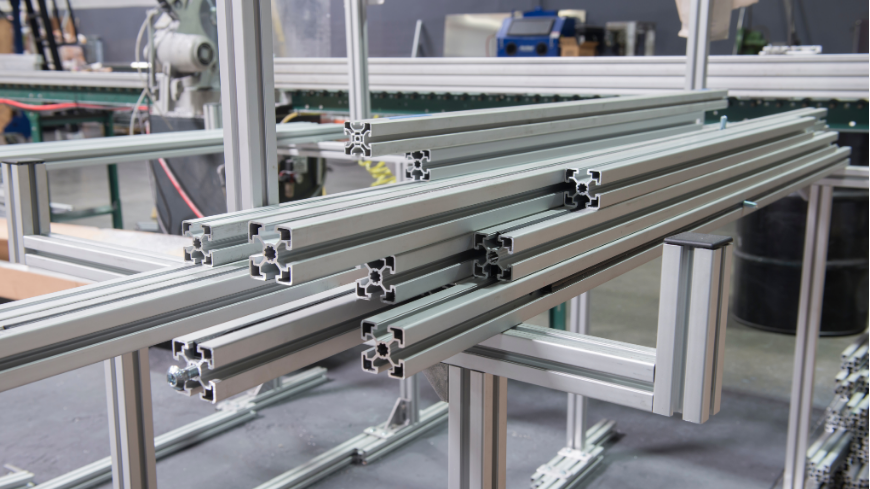
Bilichitech offers custom aluminum extrusions services for prototypes and low-volume production. can extrude many types of custom Aluminum extrusion profiles with different cross-sections.
manufacturing center, totally 70 sets extrusion press Lines from 600Ton from 3800Ton, can handle extrusions with different complexity and quantities. all ISO 9001:2015 certified factories
are made for your specific shapes, designations & applications. use in Construction and architecture · Automotive and transportation · Electrical and electronics · Consumer products. To be specific. used in windows, door frames, canopies, curtain walls, light fixtures, sun shades, and handrail systems.
Order Your Aluminum Extrusion Profiles
Bilichitech offers custom and standard aluminum profiles with high quality at low cost for your projects.
When standard profiles fall short in function, cost, or design, custom is the answer. Bilichitech’s fully customzied aluminum extrusion services allows you to specify shape, color, surface finishing, and material.
Our team reviews your drawings, confirms feasibility and selects the right process to deliver high-quality results with short lead times.
We support various custom types, including:
- T-slot aluminum profiles
- Aluminum profile accessories
- Aluminum channel profiles
- Aluminum construction profiles
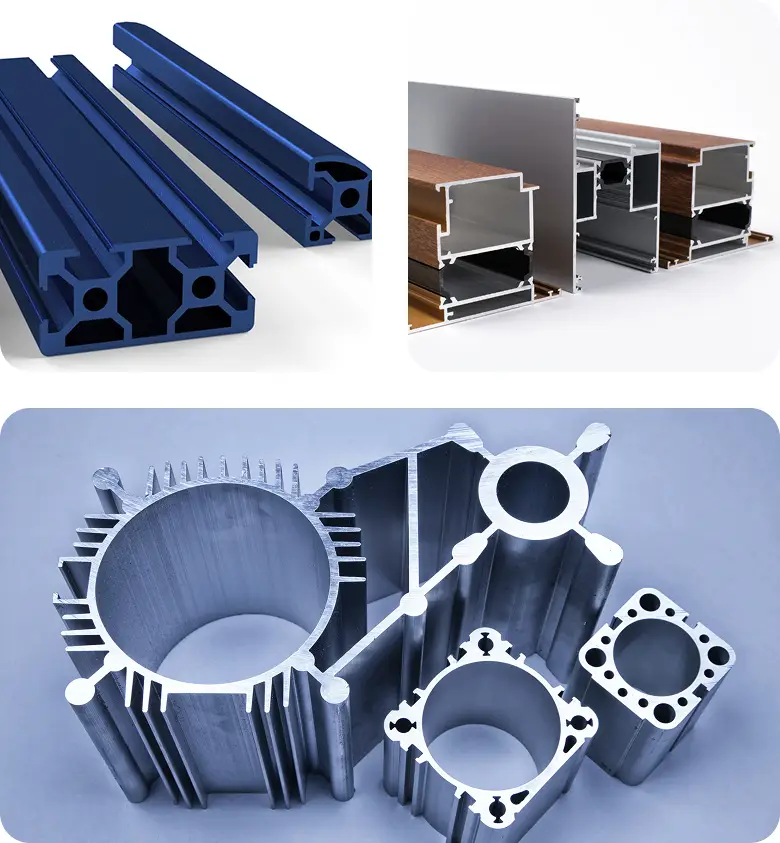
Aluminum Extrusion Finishes
Surface finishes protect extruded aluminum parts from corrosion and wear while improvding appearance. View Bilichitech's finishing methods listed below. And we're happy to discuss additional options to meet your specific requirements.
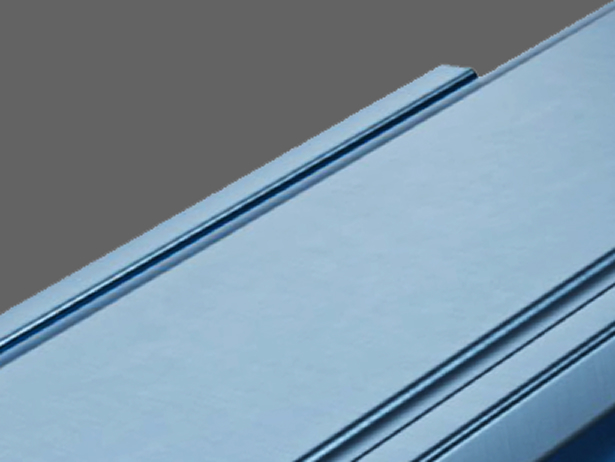
Anodizing
Creates a protective oxide layer that stops corrosion and provides electrical insulation. Available in natural, black, and colored finishes for architectural and electronic applications.
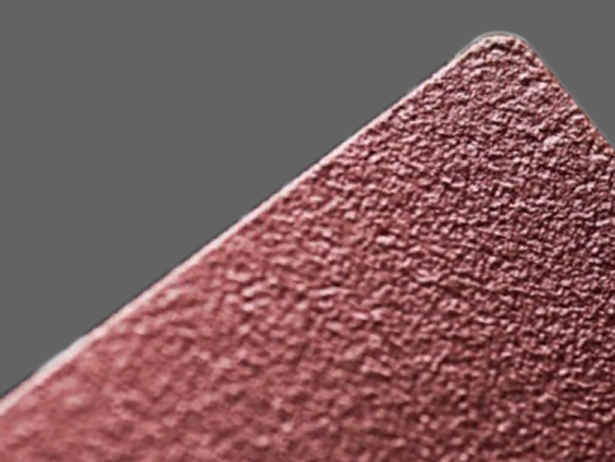
Powder Coating
Dry powder coating baked onto aluminum for tough, colorful finish. Resists scratches, UV rays, and chemicals. Wide color range for outdoor and decorative uses.
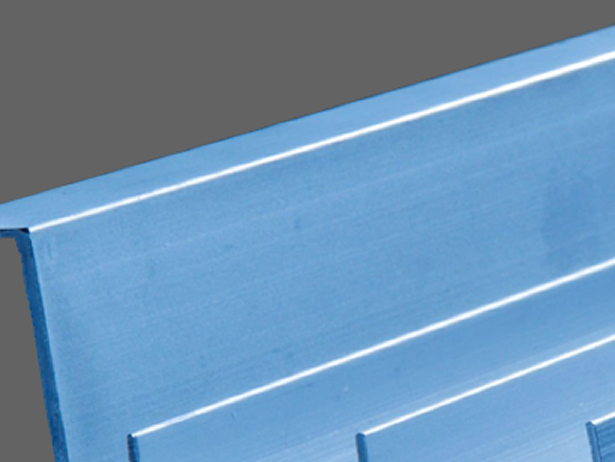
Electrophoresis
Uniform coating process using electric current to deposit paint evenly on complex shapes. Provides smooth finish and good corrosion protection for automotive parts.
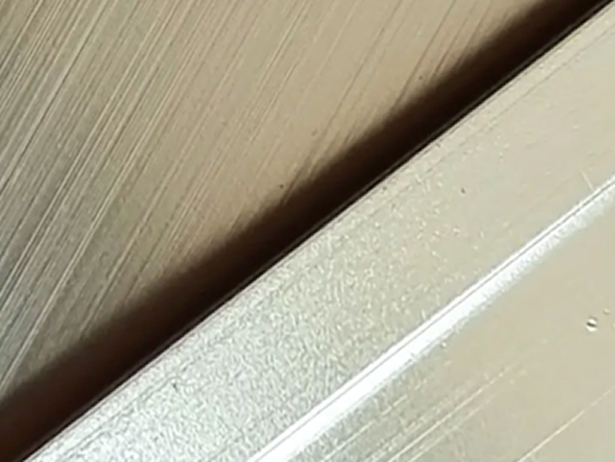
Brushed Finish
Mechanical brushing creates directional grain texture that hides scratches and fingerprints. Popular for consumer electronics, appliances, and architectural trim with metal look.
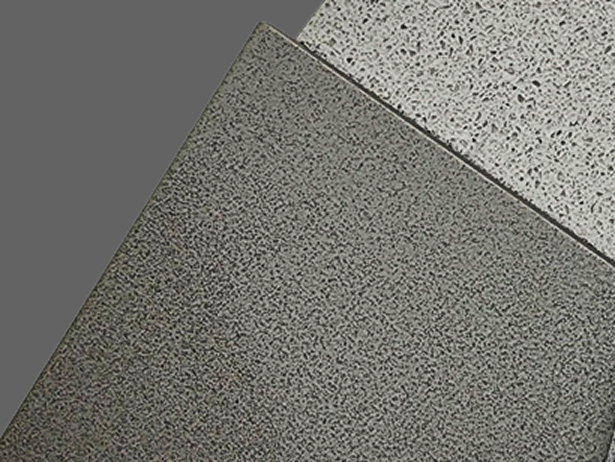
Bead Blasting
High-pressure glass beads create uniform matte surface texture. Removes machining marks and provides consistent appearance for precision parts and decorative applications.
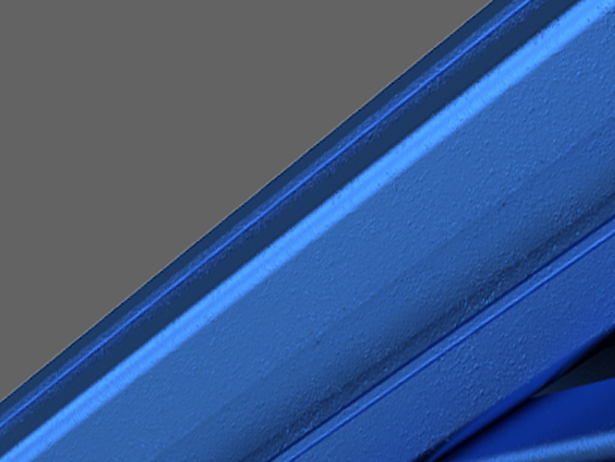
Painting
Liquid paint application offers unlimited color choices at low cost. Good for prototypes, small batches, and applications where color matching is important.
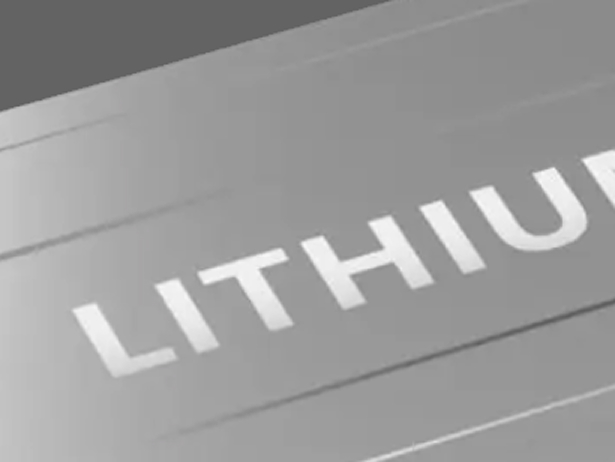
Silk Screen Printing
Prints logos, text, and graphics directly onto aluminum surfaces. Durable ink bonds well for control panels, nameplates, and branded products.
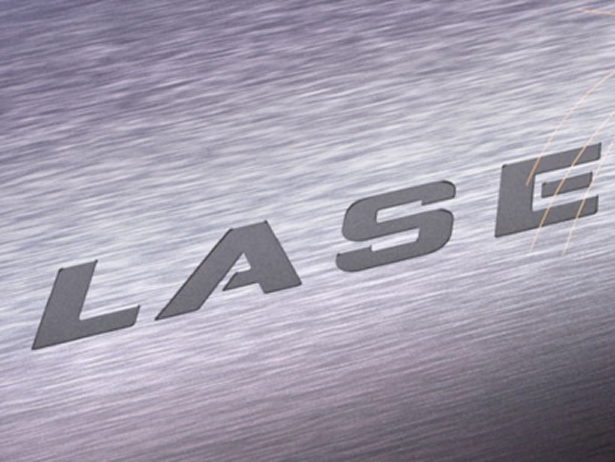
Laser Engraving
Precise laser removes material to create permanent markings, serial numbers, and detailed patterns. Clean process with sharp edges for identification and decorative work.
Quality Your Can Trust
Quality is built into every step of our aluminum extrusion process. With ISO-certified production facilities and over 70
extrusion and inspection machines, we deliver parts that meet high standards in accuracy and finish.
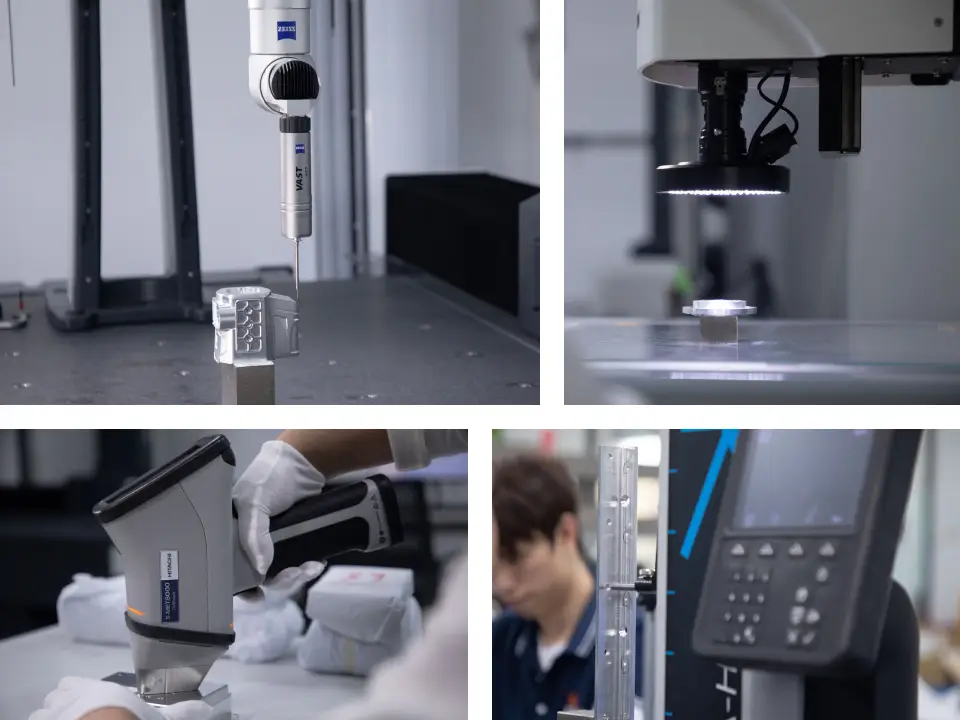
Dimensional and Tolerance Checks
We measure key dimensions like cross-section width, height, wall thickness, total length, straightness, flatness, perpendicularity, and fit of holes or slots. Inspection tools include calipers, micrometers, height gauges, and coordinate measuring machines (CMM).
Surface Inspection
All profiles are checked for scratches, dents, cracks, air bubbles, burrs, extrusion lines, and deformation. Lighting and magnification are used to spot fine surface issues.
Material and Performance Testing
On request, we provide test results for strength and hardness, as well as RoHS reports and material certificates, depending on project needs.
What's the Aluminum Extrusion Process?
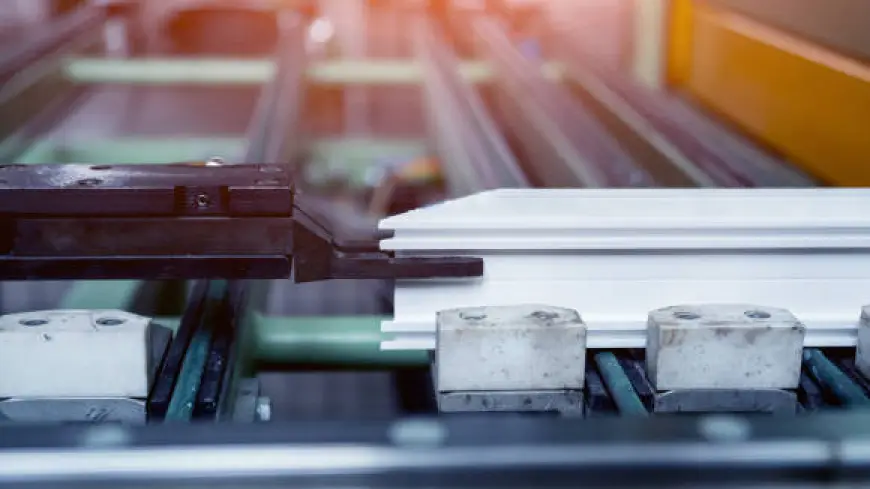
Aluminum extrusion is the process of pushing a heated aluminum billet through a custom die to form profiles with a specific corss-sectional shape. At Bilichitech, we follow a standard, proven production flow:
It begins with die machining, solid , hollow, or semi-hollow, and billet preheating, typically 400–500°C. Aluminum is then extruded—either direct or indirect, hot or cold — depending on the aluminum alloys and end use.
Once extrusion, the profile is cooled, stretched, and cut to size. Additional steps such as aging for strength and hardness, surface finishing for appearance and functionality, or assembly can be applied as needed. Each custom aluminum extrusion go through inspection and packaging before delivery.
Applications of Aluminum Extrusion
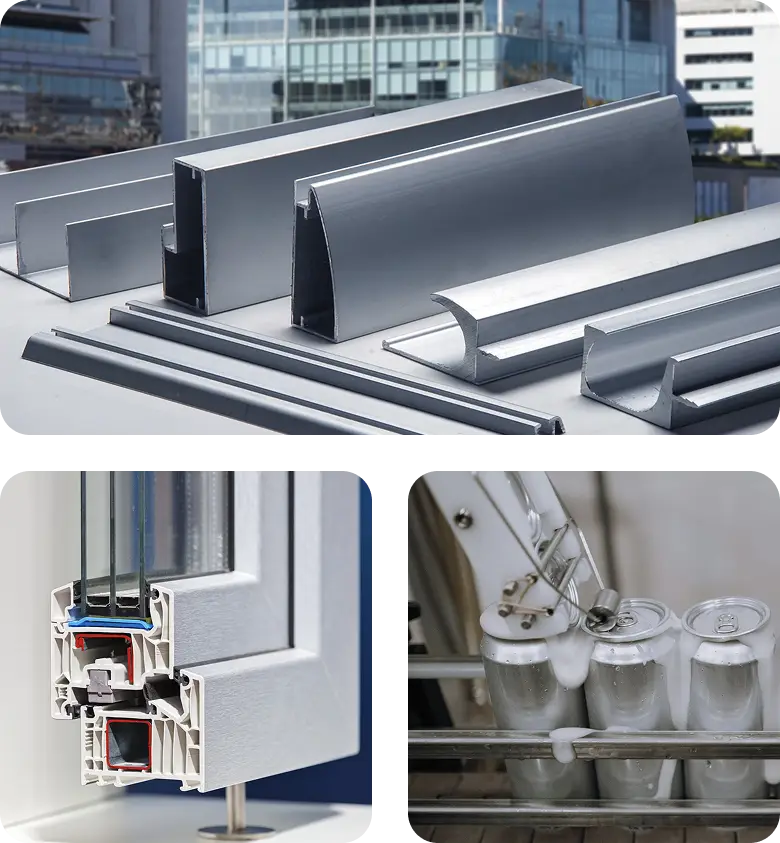
Industries rely on custom aluminum extrusions for their strength-to-weight ratio and design flexibility. Below are some of the most common applications.
Industrial
Machine frames, workstations, and automation systems.
Transportation
Auto frames, trailers, and train body components.
Construction
Doors, windows, curtain walls, handrails, and facades.
Energy
Solar frames, wind turbine parts, and offshore structures.
Electronics
Enclosures, LED housings, and heat sinks.
Pros and Cons of Aluminum Extrusion
High strength-to-weight ratio reduces structural load
Natural oxide layer prevents rust and degradation
Complex cross-sections achievable in single process
Lower machining costs compared to solid aluminum blocks
T-slot compatibility and simple joining methods
100% recyclable material supports sustainability goals
Die manufacturing requires upfront investment
Profile modifications require new die tooling
Trimming and setup create scrap material
Maximum profile dimensions restricted by press capacity
Extrusion lines may require post-processing
Strength reduction at elevated temperatures