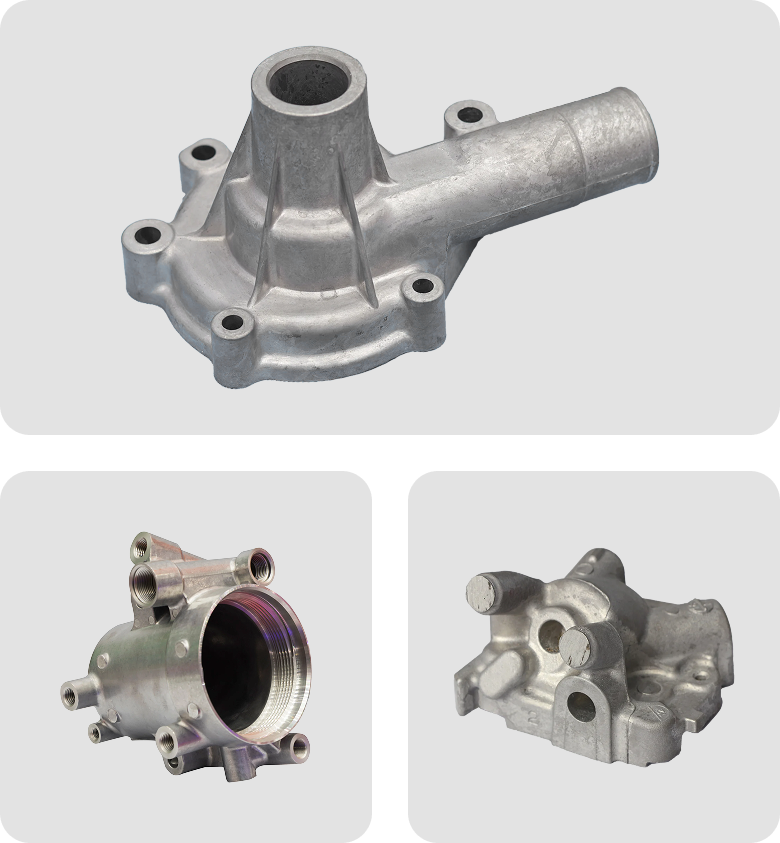
Custom Die Casting Services
From prototypes to high-volume production runs, Bilichitech’s die casting services have you covered. We work with aluminum, zinc, and magnesium, and handle everything from tooling to finishing—plus, our experts make sure your die cast parts turn out just the way you need.
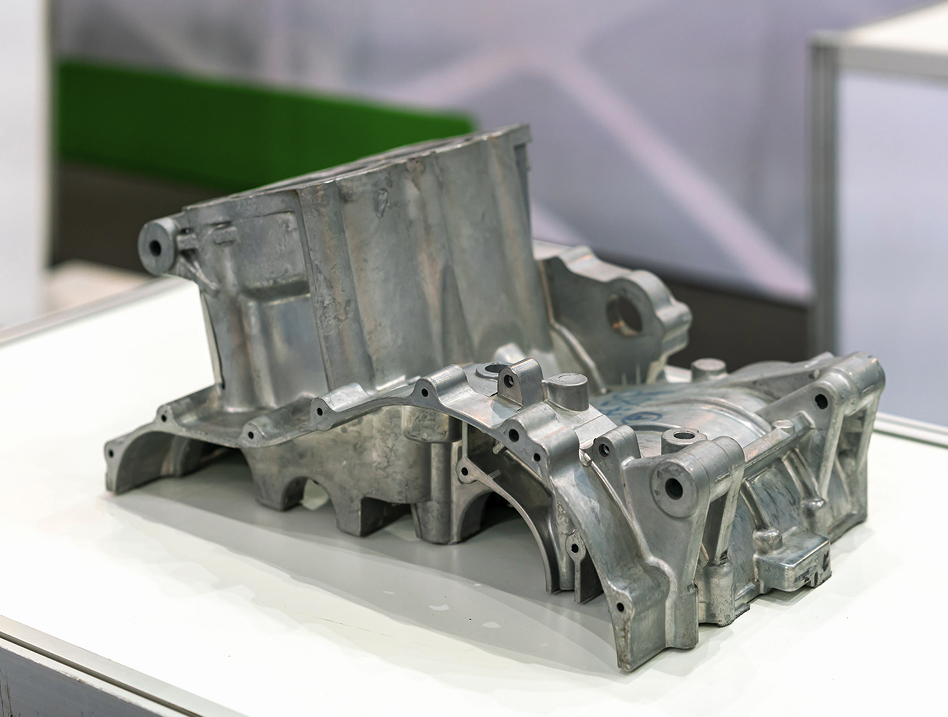
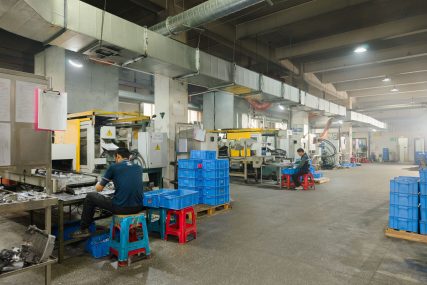
Bilichitech Die Casting Factory and Equipment
Our network of certified die casters runs 60+ machines, supporting intricate geometries and tight timelines.
Services include die cast tooling, machining, and a range of finishes.
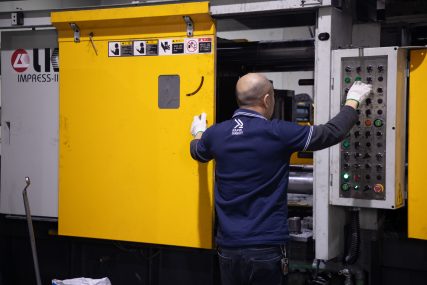
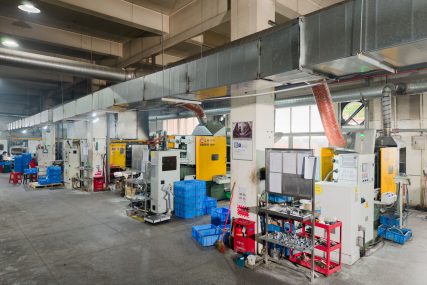
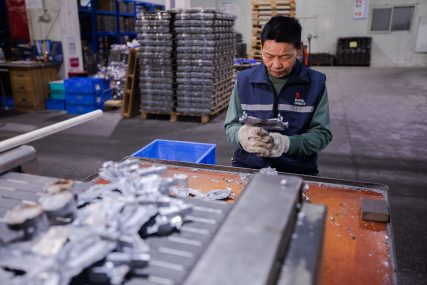
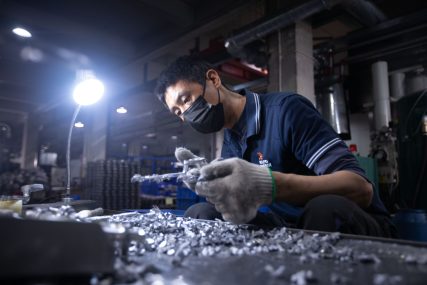
Bilichitech Die Casting Capabilities
| Details | |
|---|---|
| Tolerance | High-precision die casted parts need secondary machining to meet tolerance requirements, achieving accuracy up to ±0.01mm |
| Minimum Wall Thickness | Aluminum alloy recommended 1.5mm, zinc alloy can go down to 0.8mm |
| Wall Thickness Ratio | Keep within 1:3 ratio to avoid uneven filling |
| Hole Diameter | Due to high temperatures during aluminum die casting mold processing, round holes smaller than 3mm diameter require secondary drilling. Product threaded holes and external threads are formed through secondary machining. |
| Draft Angle | Minimum 0.5° to avoid demolding difficulties |
| Maximum Die Life (Number of Cycles) | Zinc: 1,000,000 Magnesium, Aluminum: 100,000 |
| MOQs | 500-1000 pieces |
| Lead Time | 20-25 days. Specific timing varies based on mold type and product structure complexity |
Quality Assurance
At Bilichitech, quality drives every step—from the tools we use to the standards we uphold. Our ISO 9001, ISO 14001, and IATF 16949
certifications guarantee consistent excellenceAt Bilichitech, quality drives every step—from the tools we use to the standards we uphold. Our ISO 9001, ISO 14001, and IATF 16949 certifications guarantee consistent excellence
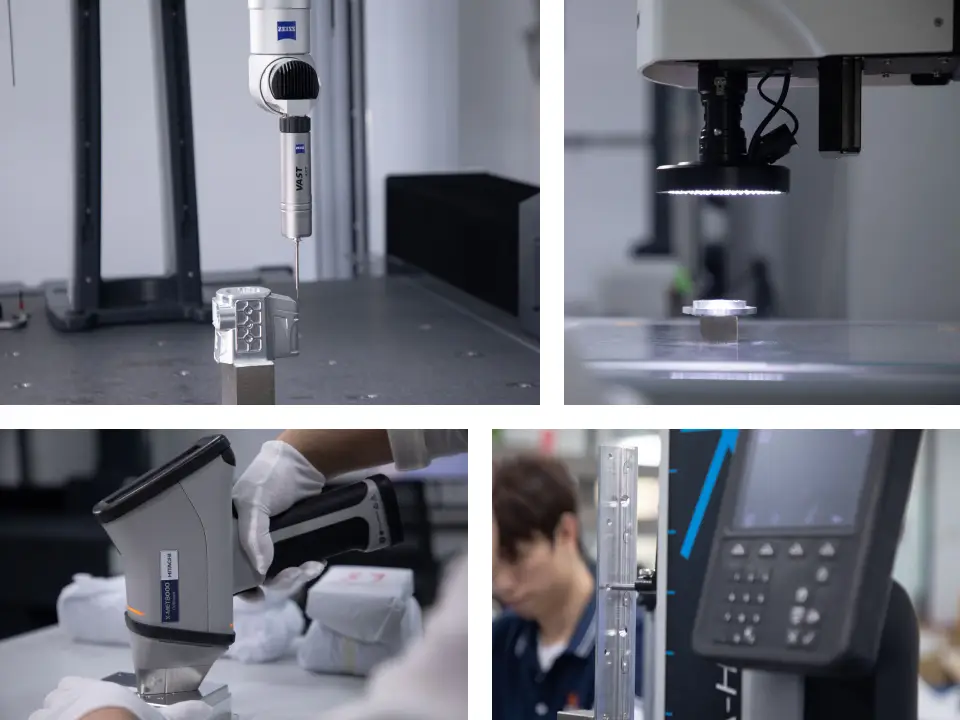

Advanced Inspection Equipment
We use professional testing equipment for precise measurement and verification. Spectrometers analyze metal composition, coordinate measuring machines inspect complex 3D shapes, 2.5D instruments verify detailed features, and height gauges handle basic dimensions.
Comprehensive Testing Procedures
Parts go through four main tests: material analysis, durability testing, corrosion testing, and functional testing. These check your parts meet composition specs, handle tough conditions, resist environmental damage, and seal properly when needed.
Proven Quality Standards
Over 90% of parts pass first article inspection. And if there’s ever a quality issue, we’ll remake it for free. Every part gets checked before it leaves our facility.
Ready to see our quality standards in action? Get your quote today and experience the difference.
Applications of Die Casting
Die casting shows up in more industries than you might expect—and for good reason. It’s precise, repeatable, and ideal for making strong, detailed parts at scale. At Bilichitech, we help brands across industries turn complex designs into production-ready components—fast. Here are some key applications:
Durable, dimensionally stable parts like housings and bracket. For safety-critical, high-heat environments.
Internal frames, enclosures, and connectors, balancing structural integrity with compact, sleek design in high-use devices.
Complex, lightweight housings with precision, ideal for both functional components and visible design elements.
Supports production of precise, clean-finished parts for tools and housings where consistency and hygiene are non-negotiable.
Withstands mechanical stress and wear, for structural and operational components in demanding, high-load applications.