
Custom Injection Molding Services
Get custom plastic prototypes and end-use production parts. Request for free injection molding quotes today. Receive expert DFM analysis.
Injection Mold Surface Finishes
We offer SPI surface finishes for your injection molds. Our injection molding expert is here to help you choose the right finish for your project. Upload your design on our quoting platform today and receive a detailed quote within 24 hours.
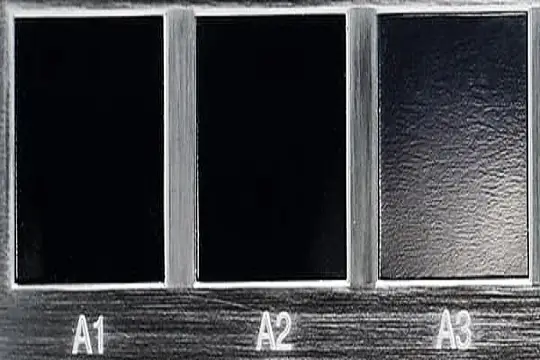
SPI A
Mirror finish with exceptional smoothness and reflectivity. Ideal for high-end consumer products, optical components, and applications requiring pristine surface quality.
Technical Specifications
| Finishing Look | High Gloss |
| SPI Finish Grades | SPI A1, A2, A3 |
| Surface Roughness Ra (μm) |
SPIA1: 0.012 to 0.025 SPIA2: 0.012 to 0.025 SPIA3: 0.05 to 0.10 |
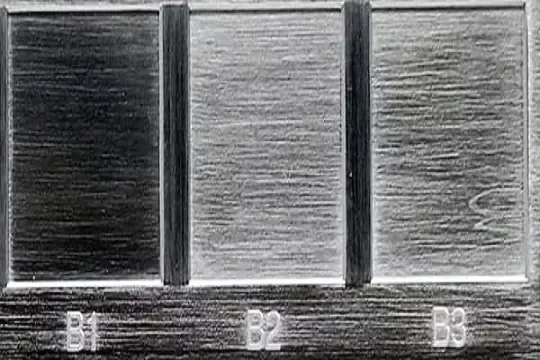
SPI B
High gloss finish with excellent surface quality and minimal visible tool marks. Perfect for automotive parts, electronics housings, and premium consumer goods.
Technical Specifications
| Finishing Look | Semi Gloss |
| SPI Finish Grades | SPI B1, B2, B3 |
| Surface Roughness Ra (μm) |
SPI B1: 0.05 to 0.10 SPI B2: 0.10 to 0.15 SPI B3: 0.28 to 0.32 |
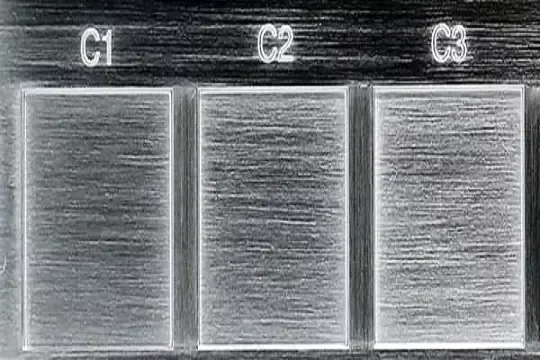
SPI C
Semi-gloss finish with good surface quality and moderate tool marks. Suitable for general purpose applications, household items, and cost-effective production runs.
Technical Specifications
| Finishing Look | Low Gloss |
| SPI Finish Grades | SPI C1, C2, C3 |
| Surface Roughness Ra (μm) |
SPI C1: 0.35 to 0.40 SPI C2: 0.45 to 0.55 SPI C3: 0.63 to 0.70 |
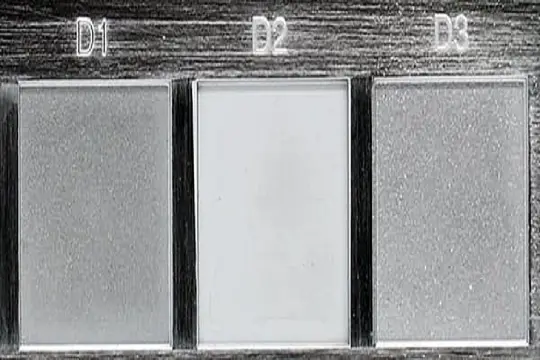
SPI D
Matte finish with visible tool marks and textured appearance. Ideal for industrial applications, prototypes, and products where surface finish is not critical.
Technical Specifications
| Finishing Look | Matte |
| SPI Finish Grades | SPI D1, D2, D3 |
| Surface Roughness Ra (μm) |
SPI D1: 0.80 to 1.00 SPI D2: 1.00 to 2.80 SPI D3: 3.20 to 18.0 |
Plastic Injection Molding Services for Custom Parts
Bilichitech makes it easy to move from on-demand prototypes to production molding for high-quality, cost-effective plastic parts in days. With access to our trusted supplier network and China-based facilities equipped with 90 to 830-ton presses, we can produce parts of any size or complexity. Our capabilities include precision mold tooling, overmolding, and insert molding, all supported by expert engineering consultation. Working with a single partner from design to production speeds up lead times, improves part consistency, and gives you the flexibility to scale quickly while keeping costs under control.
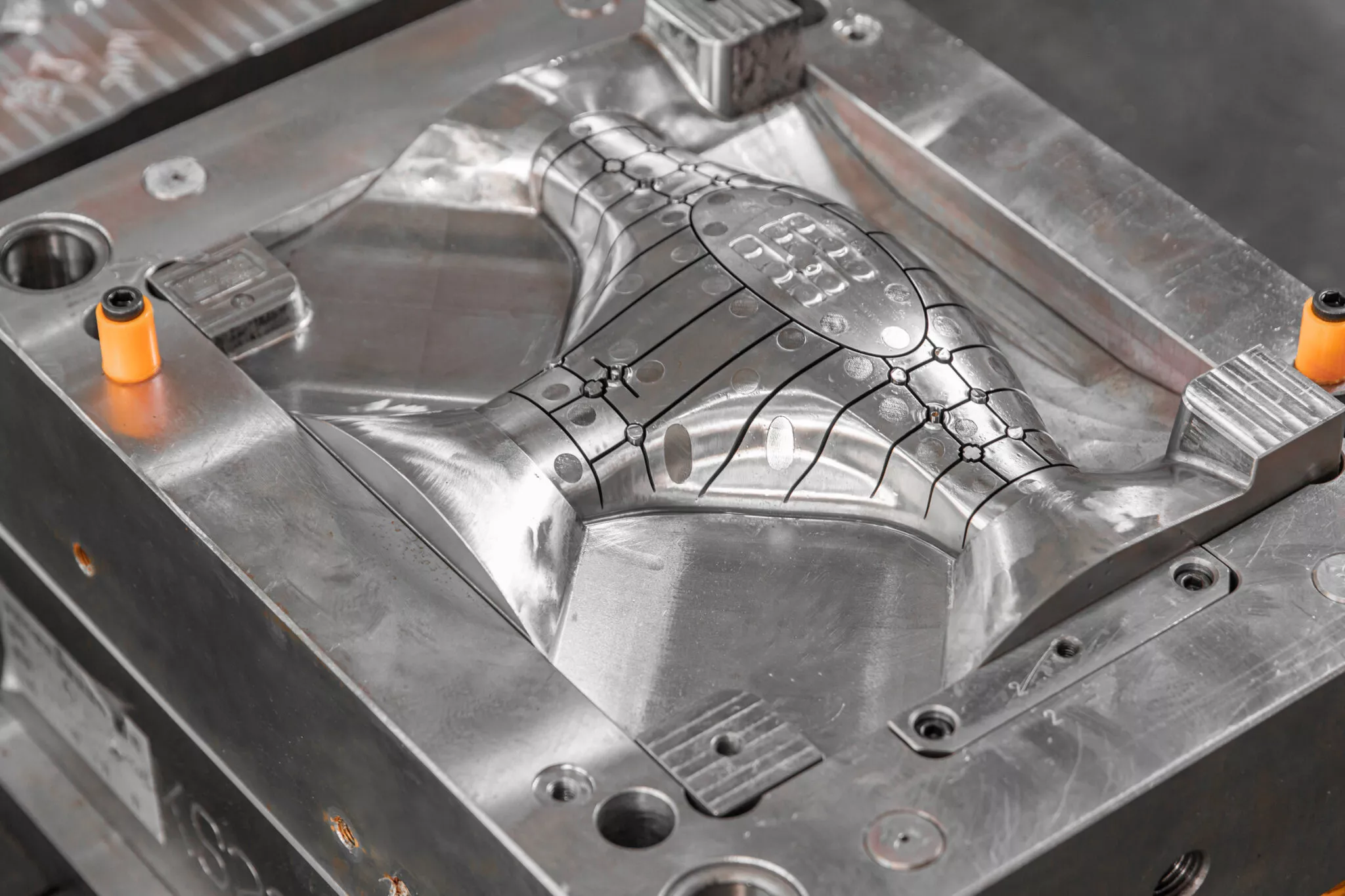
Injection Mold Tooling
Get high-quality aluminum and steel injection molds customized to your needs. We achieve tight tolerances of 0.0008 in (0.02 mm) and offer free mold flow analysis. Ideal for mass production.
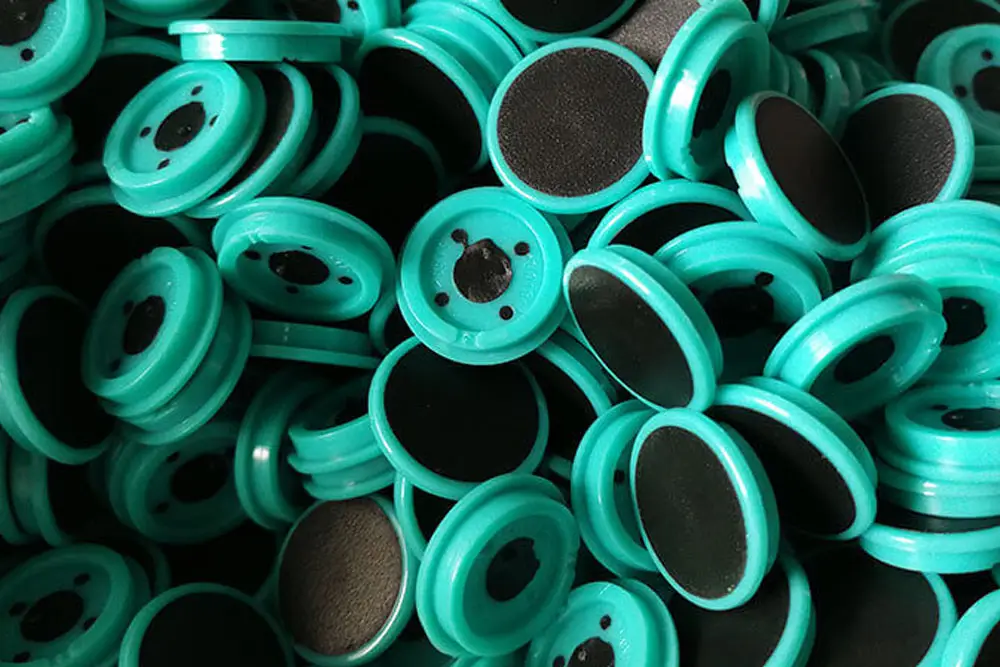
Overmolding
Overmolding is a multi-step injection molding process that bonds plastic to another component (substrate), creating an integrated, durable product. Offers color and texture options.
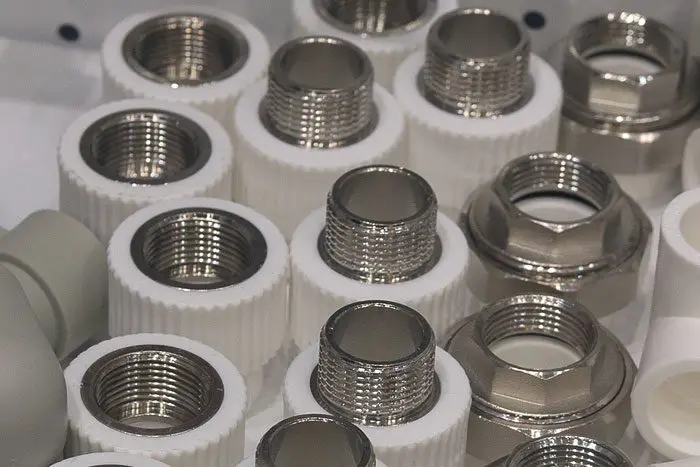
Insert Molding
A subset of injection molding techniques where combines engineering plastics with pre-placed inserts in the mold cavity. It eliminates the need for fasteners.
Injection Molding Quality Control
We value quality from design to production. Cross-team reviews and strict controls help achieve a 90% first-pass yield for all plastic molded parts.
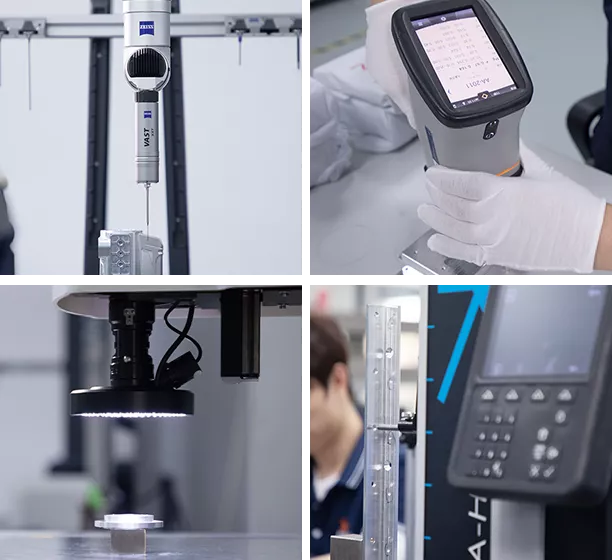
Mold and Pre-produdction Inspection
Proper mold design and pre-production checks are key to injection molding quality. Engineers consider part geometry, material flow, and cooling systems to guarantee smooth production. Trial molds are tested to confirm all functions work correctly, providing stable and consistent results.
In Process Quality Control
Continuous checks during production keep custom molded parts consistent. Injection machine parameters such as speed, pressure, and temperature are monitored within set limits. Regular inspections of part dimensions and appearance help detect and fix issues quickly.
Final Inspection
Completed parts undergo thorough final inspection to meet design and quality standards. Teams check dimensions, appearance, and physical properties. Precision instruments like coordinate measuring machines (CMM) and colorimeters verify that all components meet strict standards
Applications of Injection Molding
Injection molding is huge in making a ton of products—anything from car parts to medical devices. It’s super efficient because it can produce lots of identical plastic parts with tight tolerances, all at a low cost per part. That’s why so many industries rely on it for mass production. Whether it’s a simple or complex design, it keeps quality high and production fast.
- Gears: High-tolerance, durable gears for mechanical and electronic devices.
- Housings: Strong housings for electronics, automotive parts, and industrial machines.
- Enclosures: Precise enclosures for electronics, protecting internal components.
- Handles: Ergonomic, durable handles for tools, appliances, and products.
- Caps and Closures: Efficient caps and closures for bottles, ensuring tight seals.
- Connectors: Small, intricate connectors for electrical and electronic needs.
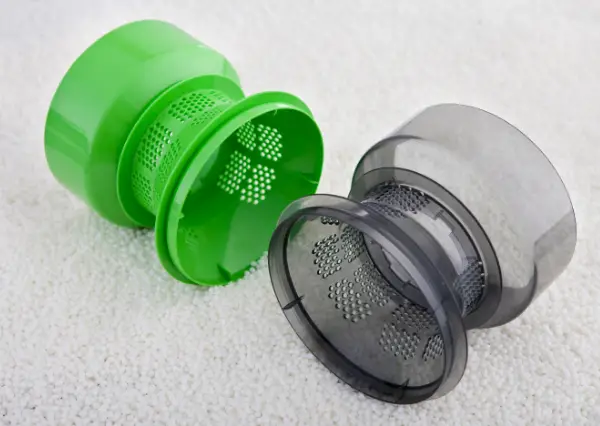
Advantages of Injection Molding
- High-volume, consistent production
- Low cost per unit after setup
- Works with many materials (plastics, LSR)
- High precision for complex designs
Disadvantages of Injection Molding
- High upfront tooling costs
- Longer lead times
- Design limitations
- Not cost-effective for low-volume runs